
How Well Do You Know the Person Others Experience?
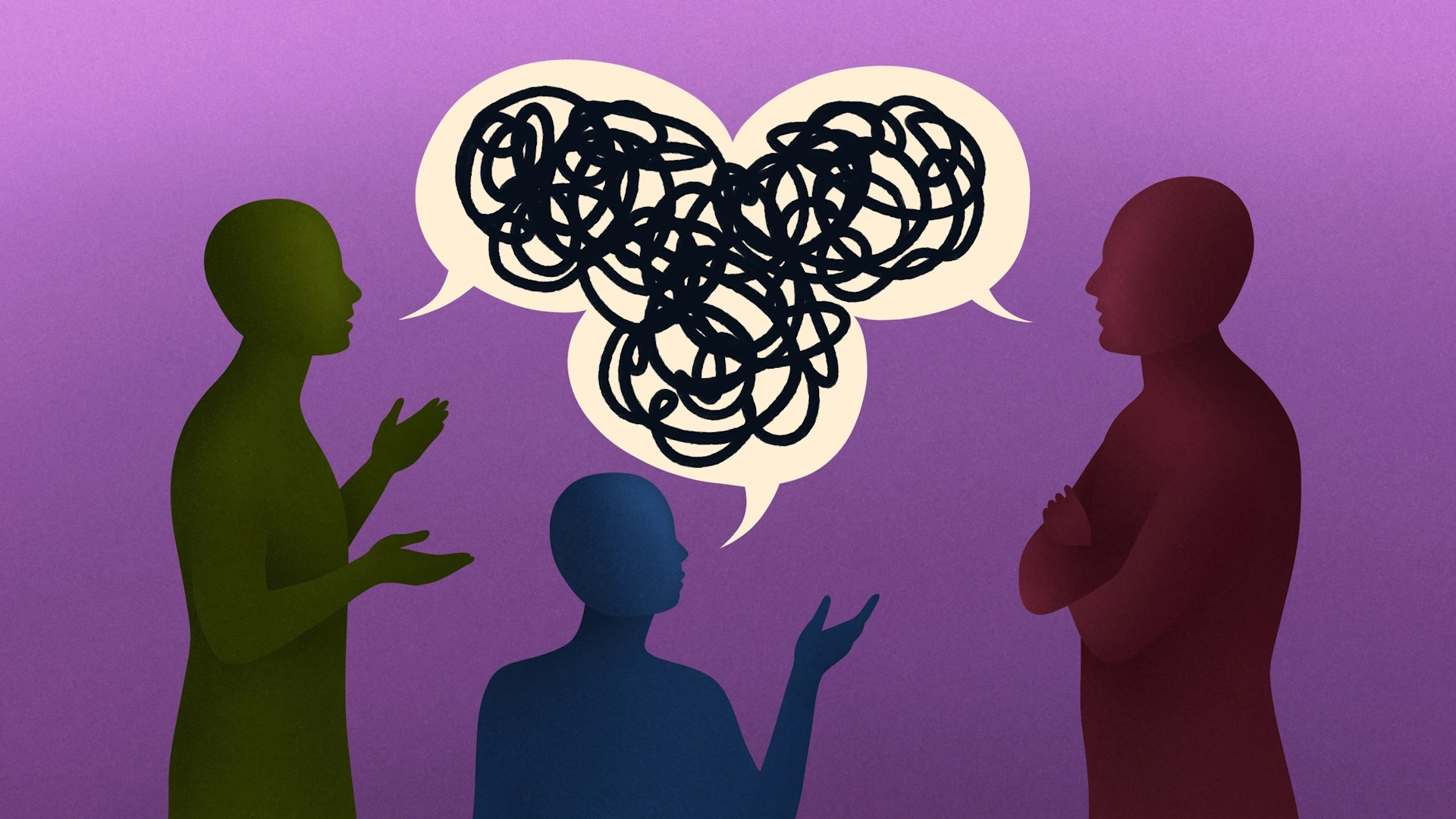
A senior leader challenges a recommendation with visible impatience. The presenter begins speaking faster and defending every detail. The leader grows more irritated. Other people grow quiet.
Within minutes, a struggle over authority, credibility, and who will yield first compromises the business question.
The leader has greater authority and greater responsibility for the climate in the room—but not complete control over what happens next.
Everyone influences the quality of the conversation. We influence:
- What information surfaces
- What remains unsaid
- Whether disagreement becomes useful or personal
- Whether pressure sharpens or narrows the group’s thinking
Authority may determine who makes the final decision. It does not determine who influences the quality of the thinking behind it.
Know What Pressure Brings Out in You
Self-knowledge matters for leaders because authority magnifies their impact and can make candid feedback harder to obtain.
It matters just as much for people with less authority. Without formal decision-making power, they often depend more heavily on judgment, preparation, credibility, timing, communication, and relationships.
Their effectiveness may depend on recognizing what pressure brings out in them before their response begins to work against them.
Under pressure, people may:
- Withdraw
- Overexplain
- Become combative
- Agree too quickly
- Take on responsibility that belongs elsewhere
These reactions are human. They are also useful information.
- What happens to me when someone with greater authority challenges my judgment?
- What is my instinctive reaction—silence, defensiveness, excessive agreement, or too much detail?
- What am I responding to—this moment or several earlier experiences?
- What strength becomes less useful when I feel pressure?
Under pressure, strengths can shift:
- Preparation can become a flood of detail
- Respect can become excessive deference
- Courage can become confrontation
- Adaptability can cause us to edit out information the group needs
These reactions are neither good nor bad. The key is recognizing how we use them when the room becomes tense.
Assessments Can Help Us See the Gap
We do not always see these patterns clearly on our own.
Assessments can provide language for understanding our preferences, strengths, and likely responses under pressure. Feedback can show how others experience those responses. Coaching can connect both to actual situations.
An assessment may suggest that someone values precision, speed, harmony, control, independence, or inclusion. None defines the person. Each can become an asset or a liability depending on the situation and how intensely it is used.
The value lies less in the label than in using the insight to improve the next conversation:
- “I tend to respond this way when challenged.”
- “I can see that this strength is helping me here.”
- “I may be relying on this strength too heavily.”
- “I need a different response in this conversation.”
Self-knowledge creates a pause between the first reaction and the next choice.
Read Yourself and the Room
Reading the room begins with reading ourselves.
We may notice that we are speaking faster, repeating ourselves, preparing a rebuttal, filling every silence, or abandoning a recommendation before others have considered it.
The room also provides signals:
- Questions disappear
- Answers become shorter
- Agreement comes too quickly
- Regular contributors become quiet
- Discussion shifts from examining the issue to defending competence, motives, or status
These signals do not prove that anyone has done something wrong. They suggest that the conversation may be drifting away from the work.
That is the moment to ask:
- What changed?
- What am I contributing to the shift?
- What is driving me to improve the decision or to prove that I am right?
- What information is at risk of being lost?
- What does the work require from me now?
Sometimes the most effective response is to say less. Sometimes it is to ask a question, clarify the decision, separate fact from interpretation, or acknowledge the leader’s concern before returning to the risk.
“We agree the deadline matters. I do not want us to lose the implementation risk. May I summarize the evidence and options?”
That change in delivery gives the substance a better chance of being heard.
We Affect the Leader Too
Senior leaders have authority, but they are still people. They experience pressure, uncertainty, fear of failure, responsibility for consequences, and concern about commitments to customers, employees, boards, and investors.
They may also have information that others do not. Recognizing that possibility does not excuse dismissive behavior. It helps us resist assuming that we fully understand what lies behind it.
We are affected by the leaders around us. We also affect them.
A team can increase a leader’s anxiety by withholding bad news, presenting problems without analysis, agreeing publicly and resisting privately, or pushing every difficult decision upward.
People can also help a leader think more clearly. They can distinguish facts from assumptions, bring recommendations rather than unstructured concerns, raise disagreement without unnecessary conflict, and remain steady when the stakes rise.
- What might the senior person be experiencing that I cannot see?
- What effect might my behavior have on the leader’s ability to listen and think?
- What am I bringing to the conversation, clarity or additional pressure?
- What am I doing to make the real issue easier or harder to understand?
Responsibility remains unequal. The person with greater authority carries greater responsibility for the climate and consequences. However, influence moves in many directions.
Adapt Without Disappearing
Not being in charge presents a real challenge. The person with less authority may need to think carefully about timing, language, evidence, and delivery.
That is not submission. It is judgment.
The distinction lies between adapting the approach and abandoning the substance.
- Am I changing how I communicate, or withholding what needs to be said?
- Am I choosing a better moment, or avoiding a necessary conversation?
- Am I adjusting parts of my message without compromising its meaning?
- Am I adapting thoughtfully, or gradually disappearing?
Staying effective means finding the clearest, most responsible way to keep the information, decision, and work at the center.
Use the Influence You Have
We cannot control the behavior of the most senior person in the room. We can influence what we bring: clear thinking, a steady response, relevant information, and sound judgment.
Knowing ourselves helps us recognize what pressure activates in us. Reading the room helps us decide what the moment requires. Together, they help us modify our behavior without abandoning our responsibility.
Perhaps the more useful questions are:
- What does pressure bring out in me?
- What am I contributing to this interaction?
- What relevant truth am I at risk of withholding?
- What behavior would best serve the work?
- What marks the boundary between my responsibility and the leader’s?
Unequal authority is real. So is the influence each person brings to the room.
How well do you know the person others experience?
The answer matters not only to the relationship, but also to the quality of the decisions the organization makes.
Frequently Asked Questions
Why is self-awareness important in the workplace, even if I'm not the leader?
Self-awareness helps everyone communicate more effectively under pressure, regardless of their position. While leaders have greater responsibility for setting the tone, employees at every level influence how decisions are made by what they say, what they leave unsaid, and how they respond to disagreement. Understanding your own reactions—whether you become defensive, withdraw, overexplain, or agree too quickly—allows you to make better choices that improve collaboration and decision quality.
How can I communicate effectively when I disagree with someone who has more authority?
Effective communication with senior leaders is less about winning an argument and more about helping the organization make better decisions. Present facts clearly, distinguish evidence from assumptions, choose the right timing, and adapt your delivery without changing the substance of your message. Acknowledging the leader's concerns while calmly presenting risks, options, or recommendations makes it more likely that important information will be heard and considered.
How do assessments and feedback improve professional effectiveness?
Assessments and feedback help identify behavioral patterns that are difficult to recognize on your own, especially under pressure. They provide insight into your natural strengths, communication style, decision-making preferences, and typical stress responses. Combined with coaching and real-world experience, these insights help you recognize when a strength is becoming a liability, adjust your behavior intentionally, and contribute more effectively to productive conversations and better organizational decisions.
Continue Reading Additional Articles
Improving Employee Performance

Earning Trust in the Spotlight: How Great Leaders Shape Emotion and Momentum from Day One.

Time to Strengthen Your Strengths

Ready to drive results with tailored strategies? Book a strategic consultation to explore how our insights can elevate your organization.
We’re dedicated to helping you achieve your goals. If you have any questions or feedback, contact us directly by phone or email. Your insights are invaluable in refining the solutions we provide and delivering the results you expect.